
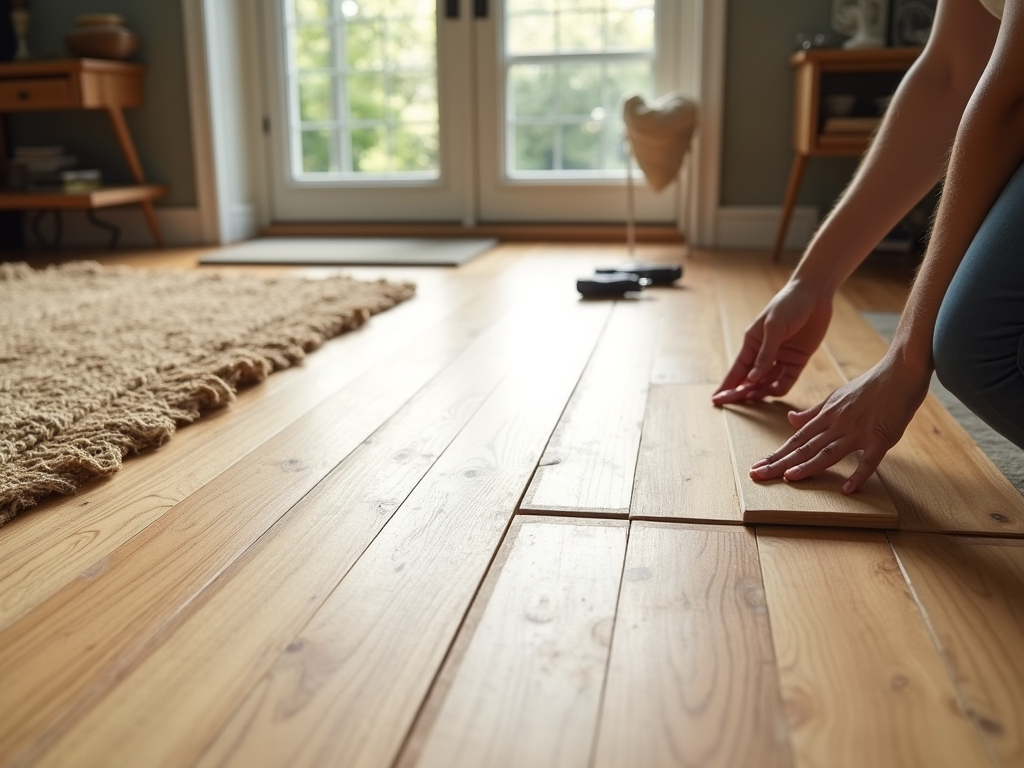
Transform Your Home With These Affordable Flooring Ideas Every Homeowner Should Know
You’ll find today’s affordable flooring options offer exceptional value through innovative materials and money-saving installation methods. Consider luxury vinyl planks for waterproof durability, modern laminates for designer patterns, or peel-and-stick tiles for easy DIY projects. Smart shopping strategies like end-of-season sales and price matching can stretch your budget further. With proper material selection and installation techniques, you can achieve high-end looks while maintaining cost efficiency. Learn how these budget-conscious solutions can revitalize your space.
Key Takeaways
- Luxury vinyl planks offer waterproof durability and authentic wood looks at affordable prices, with easy DIY installation to save on labor costs.
- Peel-and-stick tiles provide a budget-friendly floor transformation starting at $1 per square foot with warranties up to 25 years.
- Shop during end-of-season clearance events and join manufacturer loyalty programs to secure significant discounts on quality flooring materials.
- Modern laminate solutions feature designer patterns like chevron and basketweave for $2-5 per square foot with scratch-resistant durability.
- Consider refinishing existing floors instead of replacement to save 50-70% while achieving fresh looks and maintaining eco-friendly practices.
Understanding Today’s Budget-Friendly Flooring Options
When it comes to choosing affordable flooring, today’s market offers more budget-conscious options than ever before. You’ll find materials ranging from luxury vinyl planks to laminate solutions that perfectly balance cost and durability. Before making your selection, it’s vital to examine warranty details that protect your investment and guarantee long-term value.
Consider allergen considerations carefully when evaluating budget-friendly options. Many modern materials feature hypoallergenic properties and resist dust, pollen, and other irritants. Sheet vinyl and certain types of engineered wood provide excellent barriers against allergens while remaining cost-effective. You’ll want to verify the material’s maintenance requirements and durability ratings to confirm they align with your household’s needs. Remember that the least expensive option isn’t always the most economical in the long run.
Luxury Vinyl Planks: The Wood Look for Less
Among today’s most innovative flooring solutions, luxury vinyl planks (LVP) stand out as a notable alternative to hardwood. You’ll appreciate its waterproof durability and sound insulation features while enjoying the authentic look of natural wood at a fraction of the cost. LVP’s advanced manufacturing technology creates realistic textures and patterns that can elevate any room.
LVP revolutionizes modern flooring by combining hardwood’s beauty with superior durability, offering an affordable and practical solution for contemporary homes.
- Protection: Multi-layer construction includes a wear layer that guards against scratches, stains, and daily foot traffic
- Installation: Click-lock systems make it DIY-friendly, saving you money on professional installation costs
- Maintenance: Simply sweep and damp mop with mild cleaner – no waxing, polishing, or refinishing required
LVP’s moisture resistance makes it ideal for bathrooms, kitchens, and basements where traditional hardwood isn’t recommended, giving you peace of mind in any space.
Modern Laminate Solutions for Every Room
You’ll find today’s laminate flooring offers an impressive range of wood-look styles and designer patterns that rival high-end materials at a fraction of the cost. Modern manufacturing techniques create realistic textures and patterns that can revitalize your space without breaking the budget. Whether you’re drawn to classic oak planks or bold geometric designs, laminate’s durable wear layer and easy-care surface make it practical for any room in your home.
Stylish Wood-Look Options
Today’s laminate flooring captures the rich character of hardwood at a fraction of the cost, offering homeowners a practical way to achieve high-end looks throughout their home. You’ll find striking grain variation and authentic matte finishes that perfectly mimic natural wood species, making it nearly impossible to distinguish from the real thing.
For ideal results when selecting wood-look laminate, consider these essential factors:
- Choose wider planks (5-7 inches) for a more authentic hardwood appearance and easier installation
- Select textured surfaces with micro-beveled edges to enhance depth and realism
- Opt for moisture-resistant cores if you’re installing in bathrooms or basements
These durable alternatives resist scratches, dents, and fading while providing a safe, slip-resistant surface that’s ideal for families with children and pets.
Budget-Friendly Designer Patterns
Designer laminate patterns have revolutionized affordable flooring with geometric shapes, herringbone layouts, and intricate tile designs that rival high-end materials. Using Pattern Psychology principles, you’ll find that diagonal layouts can make small rooms appear larger, while Color Theory suggests lighter tones create an airy atmosphere.
You’ll uncover that these modern patterns are engineered with slip-resistant surfaces and durable wear layers, ensuring both style and safety. Consider mixing different laminate patterns to create distinct zones in open-concept spaces. The latest technology allows for seamless shifts between designs while maintaining a cohesive look throughout your home.
DIY-Friendly Peel-and-Stick Tile Alternatives
When traditional flooring installations seem intimidating, peel-and-stick tiles offer an accessible and budget-friendly alternative that’s revolutionized the DIY flooring scene. You’ll find these versatile solutions in various materials, including cork panels and rubber tiles, designed for hassle-free installation.
- Always prep your subfloor by cleaning thoroughly and repairing any uneven spots to secure proper adhesion and prevent dangerous lifting
- Test the adhesive strength in a small area first, as some surfaces may require additional primer for ideal bonding
- Work in small sections, carefully aligning each piece with your layout lines to maintain professional-looking results
For maximum durability, choose water-resistant options for bathrooms and kitchens. You’ll need to replace these tiles sooner than traditional flooring, but their easy installation and minimal tools make them worth considering.
Cost-Effective Ways to Refresh Existing Floors
You’ll find several budget-friendly ways to revamp your existing floors without a complete replacement, starting with paint as an effective option for wood, concrete, or tile surfaces. If your hardwood floors show signs of wear, refinishing them can restore their beauty at roughly one-third the cost of replacement. For vinyl or linoleum floors that need updating, peel-and-stick tiles offer an affordable solution that you can apply directly over the existing surface, provided it’s clean and level.
Paint Your Old Floors
Revamping your existing floors with paint offers one of the most budget-friendly ways to dramatically change your home’s look. Before starting, make sure to have proper ventilation and wear appropriate safety gear, as floor paint fumes can be strong. Understanding color theory will help you choose shades that complement your space while hiding imperfections.
- Prep thoroughly – sand the surface, repair any damage, and clean extensively to make sure paint adhesion
- Apply primer specifically designed for your floor type (wood, concrete, or vinyl) to create a durable foundation
- Consider stencil techniques for adding patterns that can turn plain floors into custom designs
Always use floor-specific paint that’s formulated to withstand foot traffic and daily wear. Test your chosen colors and techniques in a small, inconspicuous area first to make sure you’ll be satisfied with the final result.
Refinish Instead of Replace
Instead of tearing out existing flooring, refinishing can save thousands while achieving professional-looking results. The cost comparison between refinishing and replacement typically shows savings of 50-70% when you choose to restore rather than remove. You’ll also gain eco benefits by keeping materials out of landfills.
For hardwood floors, sand down the surface to remove scratches and stains, then apply new stain and protective coating. Concrete floors can be ground smooth and stained or painted. Even worn tile can be reglazed with specialized coating systems. Before starting any refinishing project, test for hazardous materials like asbestos or lead, particularly in homes built before 1980. Make sure proper ventilation is maintained during the refinishing process and wear appropriate safety gear, including respirators and eye protection.
Try Peel-and-Stick Solutions
Modern peel-and-stick flooring options offer an affordable alternative to traditional materials, with prices ranging from $1-5 per square foot. Leading brands like Armstrong and TrafficMaster provide warranty considerations ranging from 5-25 years, depending on the product line and installation method.
When selecting your peel-and-stick solution, focus on these essential factors:
- Surface preparation – make sure your subfloor is completely clean, dry, and level to prevent adhesion failures
- Temperature acclimation – store tiles at room temperature for 48 hours before installation to prevent shrinkage or expansion
- Quality variations – compare thickness and wear layer specifications between brands, as thicker options typically offer better durability and longer warranties
For best results, purchase 10% extra material to account for cuts and pattern matching during installation. Most manufacturers recommend professional installation to maintain warranty coverage.
Sustainable and Affordable Bamboo Flooring
Bamboo flooring has emerged as a leading choice for homeowners who want an eco-friendly and budget-conscious alternative to hardwood. This fast-growing grass reaches maturity in just 5-7 years, substantially reducing its carbon footprint compared to traditional hardwoods that take decades to mature. You’ll find that reputable manufacturers follow strict harvest ethics, ensuring sustainable production practices.
When selecting bamboo flooring, focus on strand-woven varieties, which offer superior durability and moisture resistance. You can expect to pay $4-8 per square foot, making it considerably more affordable than hardwood options. Installation is straightforward, often utilizing a click-lock system that’s perfect for DIY projects. For the best longevity, maintain indoor humidity levels between 35-55% and use felt pads under furniture to prevent scratches.
Smart Shopping Tips for Discount Flooring Materials
While bamboo offers excellent value, savvy shoppers can find even better deals on various flooring materials through strategic purchasing methods. Combine coupon strategies with seasonal sales to maximize your savings, and always verify warranty checks before finalizing your purchase.
Here’s how to secure the best deals on quality flooring:
- Visit flooring outlets during their end-of-season clearance events, typically in late winter and late summer, when they’re clearing inventory
- Subscribe to manufacturers’ newsletters and join loyalty programs to receive exclusive discount codes and early-bird sale notifications
- Check multiple retailers’ pricing on identical products, as many stores offer price-matching guarantees and additional discounts when you present competitors’ quotes
Remember to factor in delivery costs and installation fees when comparing total prices across different vendors.
Low-Cost Options for High-Traffic Areas
When selecting flooring for high-traffic zones, durability and cost-effectiveness must go hand in hand. Rubber flooring offers exceptional wear resistance while remaining budget-friendly, making it ideal for entryways, mudrooms, and children’s play areas. You’ll find it’s both slip-resistant and easy to maintain.
Epoxy coatings provide another affordable solution for high-traffic spaces. When properly applied to concrete substrates, these coatings create a seamless, impact-resistant surface that withstands heavy foot traffic and rolling loads. You can customize epoxy with anti-slip additives for enhanced safety.
Consider sheet vinyl for its combination of durability and value. Modern versions feature wear layers that resist scratches and scuffs, while their continuous surface prevents dirt from collecting in seams. Install it in hallways, kitchens, and family rooms for long-lasting performance.
Creative Flooring Patterns on a Budget
Creating stunning floor patterns doesn’t require expensive materials or professional installation. You can revamp your space using strategic placement and optical illusions that make rooms appear larger or cozier. Color psychology plays an essential role in establishing the desired mood while staying within budget.
- Mix different tile sizes and shapes to create geometric patterns, using less expensive materials for the majority of the floor and premium pieces as accents
- Alternate light and dark vinyl planks diagonally to visually expand narrow hallways while maintaining slip resistance
- Paint existing concrete floors with stenciled designs, incorporating two complementary colors to achieve depth without compromising durability
These pattern techniques work effectively with budget-friendly materials like laminate, vinyl, or ceramic tiles, giving you professional-looking results at a fraction of the cost.
Simple Installation Methods to Save Money
You’ll find substantial savings by installing floating floors yourself, as these click-together planks require no adhesives or special tools beyond basic measuring and cutting equipment. Peel-and-stick tiles offer another beginner-friendly option, demanding only careful surface preparation and precise alignment for professional results. Both methods eliminate expensive installation costs while giving you full control over the project’s pace and quality.
DIY Floating Floor Tips
Installing a floating floor system provides one of the most cost-effective ways to upgrade your home’s flooring without professional help. When installing these click-lock planks, you’ll need to maintain proper edge expansion gaps and use quality underlayment for noise reduction. The process requires attention to detail but remains manageable for DIY enthusiasts.
- Always acclimate your flooring materials in the installation room for 48 hours before starting to prevent warping and achieve a proper fit
- Use spacers to maintain consistent 1/4-inch expansion gaps around the room’s perimeter to accommodate natural movement
- Start with a clean, level subfloor and lay a moisture barrier with noise-reducing underlayment before installing planks
Remember to work in a well-ventilated area and wear appropriate safety gear, including knee pads and protective eyewear.
Peel-and-Stick Made Easy
Revamp your floors affordably with peel-and-stick tiles, one of the most straightforward DIY flooring solutions available today. Before installation, store your tiles at room temperature for 24 hours to guarantee proper adhesive longevity and prevent curling or lifting later.
Start by thoroughly cleaning your subfloor, removing all dust and debris. Check for moisture issues, as excess humidity can compromise adhesion. To maximize adhesive strength, prime porous surfaces like concrete or wood. Work in small sections, peeling back the protective layer and aligning tiles carefully with your chalk lines.
Press firmly from the center outward to eliminate air bubbles. Don’t rush the process – proper alignment at the start prevents costly mistakes. For best results, avoid walking on newly installed tiles for 24 hours while the adhesive cures completely.
Frequently Asked Questions
How Long Should I Wait Before Walking on Newly Installed Floors?
You’ll need to wait 24-48 hours before walking on your new floors, allowing the adhesive to set. For a complete finish cure, it’s safest to limit heavy traffic for 72 hours.
Can Pets Damage Budget-Friendly Flooring More Than Traditional Options?
Your pets can damage budget flooring more easily through claw damage and urine corrosion. You’ll need protective coatings and regular maintenance, regardless of price point, to prevent permanent damage to any flooring type.
What’s the Best Cleaning Routine for Maintaining Affordable Flooring Long-Term?
You’ll need daily dusting with a microfiber mop to prevent scratch-causing debris, plus monthly deep clean sessions using manufacturer-approved cleaners. Don’t forget to wipe spills immediately to prevent staining.
Will Budget Flooring Affect My Home’s Resale Value?
Properly picked and positioned, budget flooring won’t drastically diminish your home’s value. You’ll maintain curb appeal and minimize appraisal impact by choosing durable, well-installed materials that mimic premium options.
How Do Different Climate Conditions Affect Low-Cost Flooring Materials?
You’ll need to take into account moisture resistance in humid areas and thermal expansion in temperature swings. Choose vinyl for wet spaces, laminate for moderate climates, and engineered wood for controlled environments.
Conclusion
You’ll find that revamping your floors doesn’t require breaking the bank. Whether you’re installing luxury vinyl planks, revitalizing existing hardwood, or experimenting with peel-and-stick tiles, today’s affordable options deliver both style and durability. You can tackle many of these projects yourself, shop smartly for materials, and create stunning patterns that enhance your space. With proper planning and modern solutions, you’ll achieve professional results at a fraction of traditional costs.


