
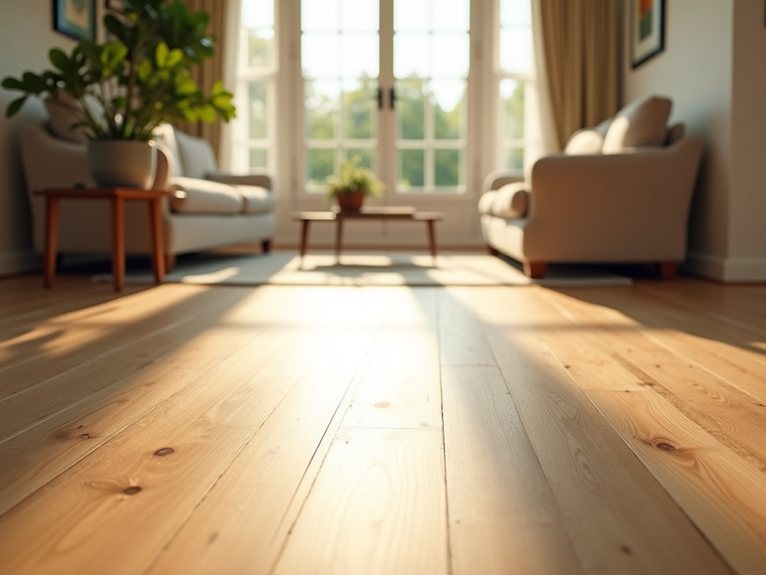
These Simple Flooring Upgrades Can Add Thousands to Your Property Value
You’ll see a strong 70-80% return on investment when upgrading your flooring, making it one of the smartest home improvements. Focus on high-traffic areas like kitchens and entryways with durable materials such as luxury vinyl or engineered hardwood. These modern options offer exceptional durability while maintaining broad market appeal. Proper installation and maintenance will protect your investment, while matching flooring to your home’s style maximizes the value increase. Learn the strategic choices that can enhance your property’s worth.
Key Takeaways
- Install engineered hardwood in main living areas to create visual flow and boost property value with authentic wood appeal.
- Replace worn carpets with luxury vinyl planks for enhanced durability and modern aesthetics that attract buyers.
- Upgrade kitchen flooring with waterproof, scratch-resistant materials that complement existing cabinetry and appliances.
- Focus on primary bathroom flooring with moisture-resistant options to address buyer concerns about water damage.
- Choose neutral, timeless flooring materials that deliver 70-80% return on investment through immediate appraisal value increases.
Why New Flooring Delivers Strong ROI
When considering home improvements that offer significant returns on investment, new flooring consistently ranks among the top upgrades. You’ll find that quality flooring installations typically deliver 70-80% ROI through immediate appraisal uplift, making it one of the most financially sound renovations you can undertake.
The impact on buyer psychology can’t be understated. As one of the largest visible surfaces in your home, flooring creates pivotal first impressions during showings. Modern, well-maintained floors signal to potential buyers that the property has been carefully maintained, reducing their perceived risk in purchasing. You’ll particularly benefit from installing neutral, durable materials that appeal to a broad market segment. By choosing timeless options like hardwood or high-end vinyl planks, you’re not just improving aesthetics – you’re making a calculated investment in your property’s long-term value.
Top Budget-Friendly Flooring Materials That Boost Value
Smart flooring investments don’t require breaking the bank. Today’s luxury vinyls offer exceptional durability and waterproof qualities at a fraction of traditional hardwood costs. You’ll find options that realistically mimic stone and wood grain patterns while providing excellent scratch resistance – perfect for high-traffic areas and homes with pets.
Engineered hardwood represents another cost-effective choice that delivers significant value appreciation. Its layered construction provides better moisture resistance than solid hardwood, while its real wood top layer maintains authentic appeal. You can install it in areas where traditional hardwood isn’t recommended, such as basements or bathrooms. The material’s stability and reduced expansion/contraction characteristics make it a reliable investment that attracts future buyers while keeping your immediate costs manageable.
Best Rooms to Prioritize for Flooring Updates
Deciding where to begin your flooring renovation can substantially impact your property’s overall value and market appeal. When planning your upgrades, focus on areas that potential buyers scrutinize most during home viewings and where durability matters most.
Strategic flooring upgrades in key areas can boost your home’s marketability and create lasting value for potential buyers.
- Kitchen Flooring – This high-traffic zone demands resilient materials that withstand spills, drops, and constant foot traffic while complementing cabinetry and appliances
- Primary Bathroom – Moisture-resistant flooring here is essential, as buyers carefully evaluate water damage risks and overall bathroom aesthetics
- Main Living Areas – Open-concept spaces require cohesive flooring to create flow and maximize perceived square footage
- Entryways – First impressions count, so invest in flooring that’s both attractive and able to handle heavy traffic while protecting against outdoor elements
Expert Installation Tips for Maximum Value Impact
To maximize your flooring investment’s return, proper installation techniques are essential for both immediate aesthetics and long-term durability. You’ll need to start with thorough subfloor preparation, ensuring it’s level, clean, and free of moisture issues that could compromise your new flooring’s integrity.
Pay special attention to junction details between different flooring materials and rooms. These junction points often reveal amateur installation work and can diminish property value. Install proper moisture barriers, especially in basements and bathrooms, and maintain consistent expansion gaps around the perimeter for hardwood installations.
Don’t skip essential steps like acclimating materials to your home’s environment for 48-72 hours before installation. This prevents future warping and gaps that could require costly repairs and reduce your property’s resale value.
Matching Flooring Choices to Your Home’s Style
When selecting flooring materials for your property, matching them to your home’s design style and era creates a cohesive look that connects with potential buyers. Achieving design harmony means considering your home’s fundamental character while ensuring period authenticity in your flooring choices.
Thoughtful flooring selections that honor your home’s architectural heritage create visual harmony and resonate deeply with design-conscious buyers.
- Traditional homes benefit from hardwood floors with classic stains and patterns, like herringbone or wide planks that reflect historical craftsmanship
- Modern homes shine with sleek materials like polished concrete or large-format porcelain tiles that emphasize clean lines
- Craftsman-style houses pair well with quarter-sawn oak or natural stone that highlights artisanal quality
- Mediterranean-inspired homes maintain authenticity with terra cotta tiles or tumbled marble that echoes their design roots
Select materials that not only enhance value but also preserve your home’s design integrity.
Maintenance Strategies to Protect Your Investment
Proper maintenance of your flooring investment can dramatically extend its lifespan and preserve its market appeal. Implementing a seasonal cleaning schedule helps prevent wear patterns and maintains your floor’s protective coating. For hardwood and laminate floors, you’ll need to monitor and control humidity levels to prevent warping and gaps – aim for 35-55% relative humidity year-round.
Don’t wait for visible damage to address maintenance needs. Vacuum high-traffic areas daily, clean spills immediately, and use manufacturer-recommended cleaning products exclusively. Place protective pads under furniture, and establish a no-shoes policy to minimize scratches and dirt tracking. Schedule professional deep cleaning annually for carpets and refinishing every 3-5 years for hardwood. These preventive measures protect both your flooring’s appearance and your property’s resale value.
Frequently Asked Questions
Can I Install New Flooring Over Existing Tile Without Removing It First?
You’ll need proper subfloor prep and adhesive compatibility testing first. While possible, laying over existing tile risks height issues, moisture problems, and potential structural concerns. Consider a professional assessment.
How Long Should I Wait Before Walking on Newly Installed Floors?
You’ll need to wait 24-48 hours for finish drying on hardwood, 24 hours for laminate, and 72 hours for tile. Different flooring types have varying curing times, so follow the manufacturer’s specific guidelines.
What’s the Average Time Frame for Completing a Whole-House Flooring Renovation?
You’ll need 1-2 weeks for a complete house renovation, factoring in labor scheduling and potential material delays. Plan for additional time if you’re removing existing flooring or dealing with subfloor repairs.
Will My Homeowner’s Insurance Cover Accidental Damage During DIY Flooring Installation?
You’re walking on thin ice with DIY damage claims. Most policies have exclusions for non-professional installations, but check your specific coverage. Document everything thoroughly if you’re filing a claim.
Should I Get Multiple Flooring Types Certified for Future Resale Value?
You’ll benefit from multiple certifications, as they provide buyer assurance and maximize resale potential. Certified flooring types demonstrate quality standards and help substantiate your home’s value during future market transactions.
Conclusion
Your flooring investment acts like a house’s handshake – it’s the first impression that sets expectations. With ROIs ranging from 70-150% depending on material choices, you’ll want to strategically plan your upgrades. Just as a well-tailored suit enhances your professional presence, quality flooring installed with precision boosts your home’s market position. Choose materials that align with your neighborhood’s standards, maintain them diligently, and you’ll maximize your property’s competitive edge.


